No matter how closely you hew to “safe” practices, research-grade peptides are inherently more dangerous than their prescription counterparts because they aren’t subject to the same production and purity standards. But the most obvious red flag — a flag so big that you’d need a whole color guard to carry it — is that they do not require a prescription to purchase a peptide. They’re often easy to spot by naming conventions alone, as they typically style themselves after a “science-y” vibe , e.g., BioTech Pharmaceuticals, or something, or else include the word “peptide” itself (e.g., Next Gen Peptides, et al.). Whether or not you see results from your initial round of peptide treatment, you’ll want ongoing consultation with a clinician to dial in your dose, help you deal with side effects, answer questions, and address other concerns. Trustworthy telehealth providers always begin their patient–provider relationships with a consultation — in which a licensed clinician evaluates you as a suitable candidate for a peptide prescription.
Inflammatory or immune-mediated tissue repair contexts see researchers purchasing the KLOW blend; detailed information can be found in our guide comparing GLOW and KLOW. This product is not meant for human or veterinary use, nor is it suitable for any in vivo or clinical applications. The total of 80mg (featuring 50mg of GHK-Cu as the primary ingredient), supplies ample material for typical research concentrations during multi-week protocols.
Refer to our guide on interpreting peptide COAs for assistance with your batch documentation. Before purchasing KLOW blend (you can examine the documentation), and the full archive is accessible on our Certifications page. After reconstitution, it should be stored at 2–8°C and used within a 28-day period. For information on injection techniques for all four components, consult our guide comparing subcutaneous and intramuscular injections.
IGF-1 LR3 1mg
Whether administered via vial or orally, this substance appears to locate damaged tissue and enhance repair. In the KLOW blend, it works in conjunction with BPC-157 and GHK-Cu, ensuring that the blood supply, scaffolding, and stabilization occur simultaneously. Personally, I have utilized TB-500 on its own for tendon recovery, and it proves effective. This translates to quicker wound closure and faster recovery for muscle (tendon), and connective tissue. This is especially noteworthy as it strengthens barrier integrity — whether it’s the lining of your gut or your skin. KPV has been researched for its effects on gut inflammation , colitis, and skin issues (dermatitis) because it alleviates cytokine-driven damage while preserving normal immune function.
Each prescription is compliant with legal standards (being patient-specific), provider-signed, and prepared by a licensed 503A compounding pharmacy.


The moment you submit your protocol, it transforms into a genuine prescription request. We identify compatible pairings — highlight combinations to avoid, and provide your estimated total pharmacy cost before you make any commitments. People primarily focus on issues related to where to purchase or the associated costs.
Storage and management.
GHK-Cu is commonly formulated into creams and serums for skin and wound care. I use that 10-unit draw daily for active protocols, then taper to every other day once improvement plateaus. A vial covers twenty days at that draw, so a six to eight week run is two or three vials. What follows is what research protocols and community practice use (not a personal recommendation), and none of it is approved dosing. I used KLOW during recovery from a stubborn shoulder injury that physical therapy alone wasn’t fixing.
Standard reconstitution gives you a multi-peptide solution you can dose by volume. Expect $130 to $200 per 80mg vial from a quality vendor in 2026. Label the vial with the reconstitution date. Made for peptide reconstitution, not repackaged from generic stock. The cost difference per dose is usually pennies; the cost of a degraded or mislabeled vial is the entire research cycle. Buying from a vendor with verified COAs and consistent purity is worth the small premium over the cheapest option.
Buy Peptides Online: A Researcher’s Guide to Selecting High-Quality Research Peptides
To determine which formulation best suits your protocol, consult our comparison guide on GLOW vs. KLOW. Each compound undergoes manufacture and testing under rigorous quality control measures to guarantee consistency, purity, and efficacy for research uses. The peptide arrived in a perfectly stable lyophilized form, and the reconstitution process was flawless. It is evidently a product of high concentration and purity that does not degrade within hours after reconstitution. Gaining insight into how tirzepatide influences gastrointestinal motility and implementing focused nutrition — hydration, and movement strategies significantly enhances comfort and adherence. Each vial is tested for identity (purity), and quantity, and all certificates of analysis are publicly available on the COAs page, regardless of the results, to benefit all buyers.
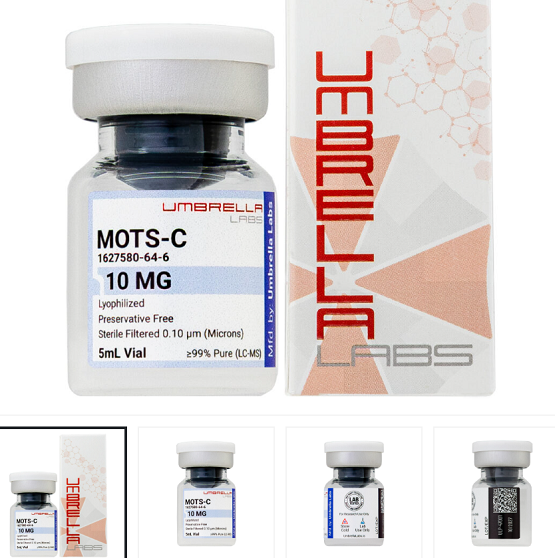
Soon to be available under the HHS interim policy as single-ingredient compounded products by prescription are BPC-157, TB-500, MOTS-c, KPV, epitalon, and Semax; none have FDA approval. Currently available by prescription from an independent licensed provider and compounded by a licensed pharmacy are Sermorelin — PT-141, GHK-Cu cream, semaglutide, and tirzepatide; these compounded versions lack FDA approval. The prescription evolves alongside your data, adjusting as your numbers change. Before purchasing from any peptides-online vendor, utilize the vetting checklist provided below. None possess FDA approval (the policy remains interim), and any company offering these without a prescription or labeling them as “research chemicals” is operating outside the policy. A licensed telehealth company collaborating with a state-licensed 503A pharmacy may now dispense these under the policy’s stipulations based on a patient-specific prescription, and OneTwenty will soon provide them through its independent providers when appropriate.
got questions?
In fairness (Extension and Eternity have pretty packed catalogs themselves), with at least 26, and we can’t discount the possibility they’ll add more as time goes on. It’s a big step, at that, because it reveals health issues and potential contraindications that clinicians can use to validate a patient’s eligibility and guide treatment. Surveying the landscape, we felt that to qualify as one of the best online peptide resources, a provider must be maximally accessible, provide optimal patient care, offer a wide range of treatment options, and minimize cost. Additionally (like all health-related content on this website), this guide was thoroughly vetted by one or more members of our Medical Review Board for accuracy and will continue to be monitored for updates by our editorial team.
Customer identities stay private from the vendor. A vendor who doesn’t deliver has real money on the line. When you pay, the vendor receives only half of their payout.